Silver Coin Ping Test
Learn how to authenticate silver coins by sound. The complete guide to testing American Silver Eagles, Canadian Maple Leafs, and 23+ popular silver bullion coins.
iPhone: 15 free tests/month · Android: 10 free tests/month · Works offline
What is the Silver Coin Ping Test?
The silver coin ping test is a time-honored authentication method used by collectors, investors, and dealers to verify the authenticity of silver bullion coins. When you tap a genuine silver coin, it produces a distinctive, clear, sustained bell-like tone that rings for 1-2 seconds. Counterfeit coins made from cheaper metals like copper, zinc, or tungsten produce a dull thud or short, flat sound.
This non-destructive testing method has been used for centuries and remains one of the most accessible and effective ways to detect fake silver coins. Unlike acid tests that damage your coins or expensive XRF scanners that cost tens of thousands of dollars, the ping test requires nothing more than your coin and a small tapping object.
💡 The ping test works because silver has unique acoustic properties determined by its density (10.49 g/cm³), elasticity, and crystalline structure. These properties create specific resonance frequencies that are extremely difficult to fake without using genuine silver.
Why Does the Ping Test Work for Silver?
When you tap a coin, you're causing it to vibrate. The way it vibrates depends on several physical properties:
- Material Composition: Pure silver (.999 fine) and sterling silver (.925 fine) have specific acoustic signatures that differ from other metals
- Density & Mass: Silver's density of 10.49 g/cm³ affects how quickly vibrations travel through the metal
- Elasticity: Silver's elastic modulus determines how the metal bends and returns to shape, creating sustained vibrations
- Geometry: The coin's precise weight, diameter, and thickness contribute to its unique resonance pattern
Counterfeiters face a nearly impossible challenge: to replicate the ping, they would need a metal with identical density, elasticity, and composition to silver—while also matching the exact dimensions. Even silver-plated fakes fail because the base metal's acoustic properties dominate the sound.
The Science: How Pingcoin Digitizes the Test
While the human ear can detect obvious differences between authentic and fake pings, Pingcoin takes acoustic authentication to the next level with scientific precision. The app uses Fast Fourier Transform (FFT) analysis to measure three key resonance frequencies for each coin type.
Through Finite Element Method (FEM) modeling and testing thousands of authentic coins, we've mapped the exact acoustic signatures that distinguish genuine silver from counterfeits. When you tap your coin, Pingcoin analyzes the frequency spectrum in milliseconds and compares it against our verified database.
The reference c0d2, c0d3 and c0d4 values for every supported coin are listed in our coin ping test frequency table.
How to Perform a Silver Coin Ping Test
Follow these simple steps to test your silver coins at home
- Prepare Your CoinPlace your silver coin on a soft surface like your fingertip or a piece of cloth. This allows the coin to vibrate freely without dampening the sound. Avoid placing it on hard surfaces like tables, which absorb vibrations.
- Choose Your Tapping ToolUse a small metal object such as another coin, a pen, or a dedicated coin tapper. The object should be firm but not so hard that it damages your coin.
- Tap the Edge GentlyGently tap the edge of the coin—not the face. A gentle but firm tap is all you need. Listen for the initial strike and the sustained ring that follows.
- Listen to the RingAn authentic silver coin will produce a clear, sustained, bell-like tone lasting 1-2 seconds. The pitch should be consistent and pure. Counterfeits typically produce a dull, short thud with little to no sustain.
- Test Multiple TimesRepeat the test 2-3 times to ensure consistency. Tap different spots around the edge. Authentic coins should ring consistently every time.
- Use Pingcoin for Precision (Optional)For scientific accuracy, open the Pingcoin app, select your coin type, and record the ping. The app will analyze the acoustic frequencies and give you an instant verdict: Authentic or Not Recognized.

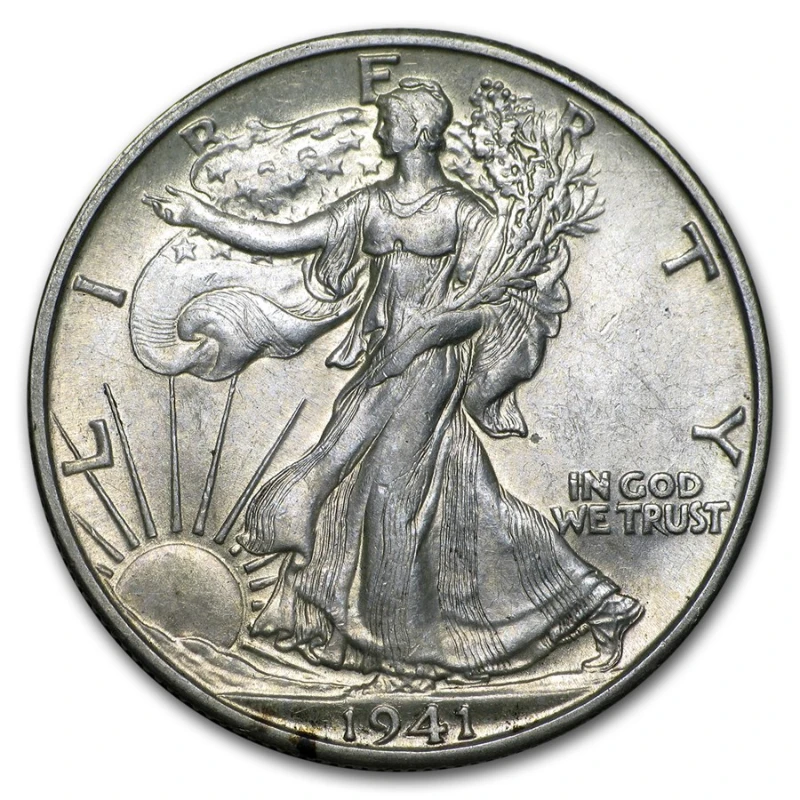
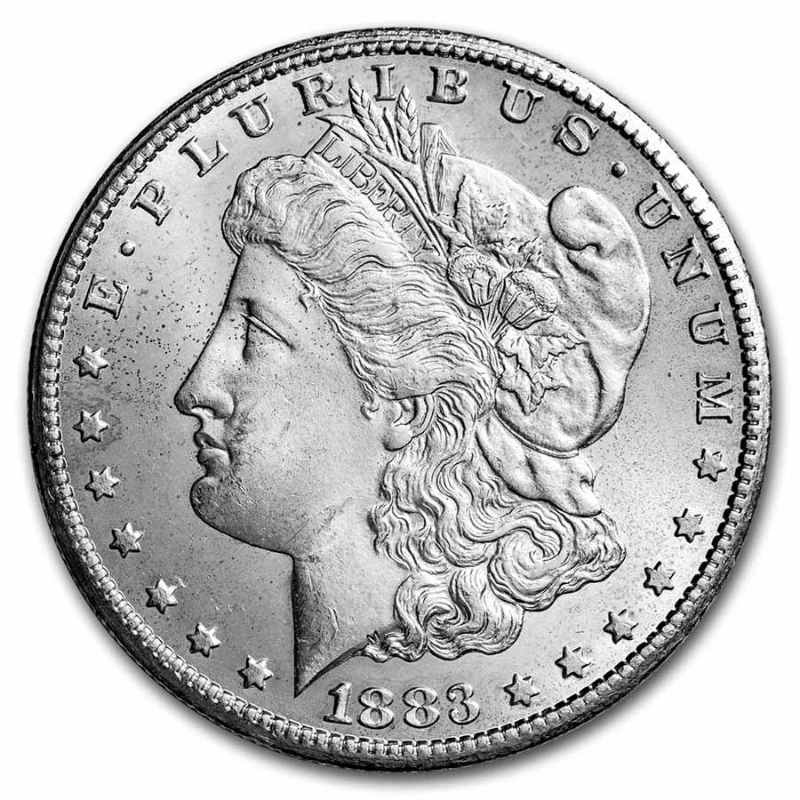
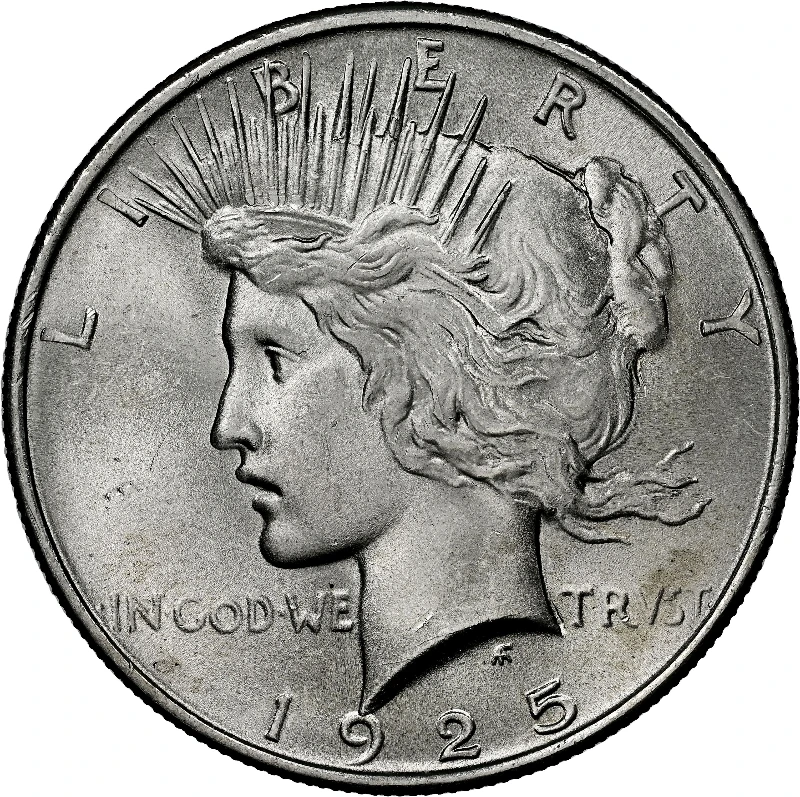
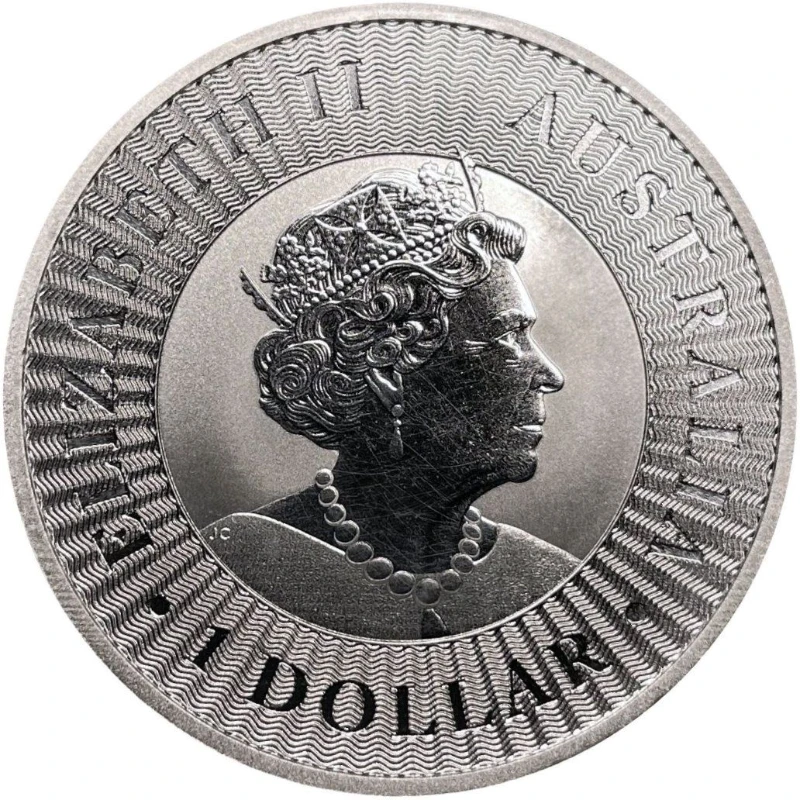
Supported Silver Coins (23 Coins)
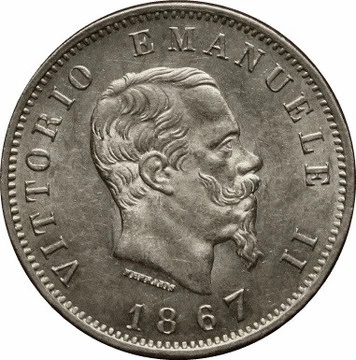
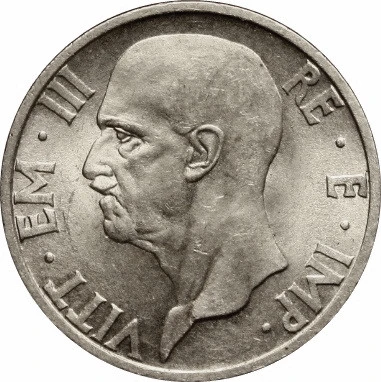
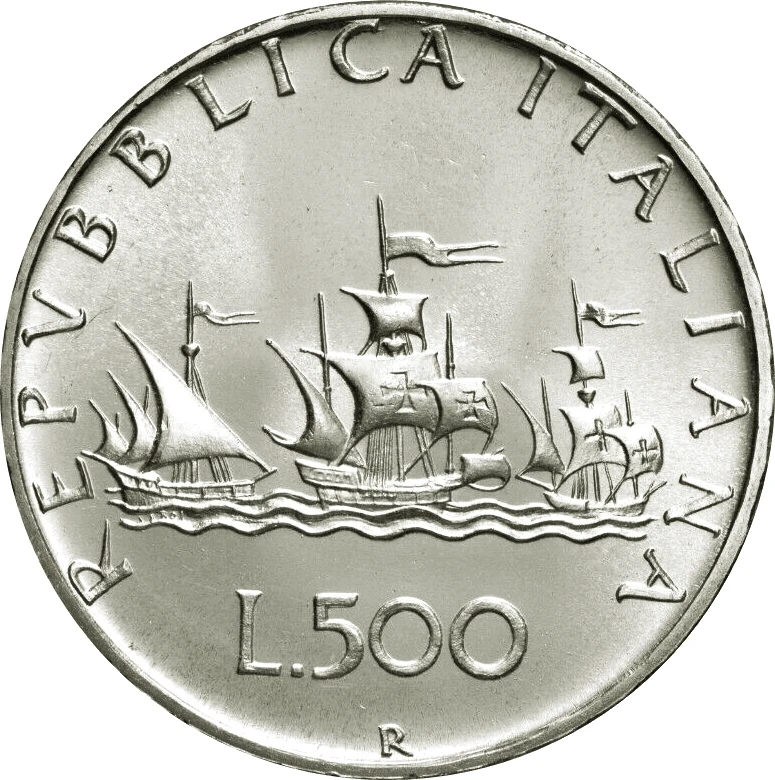
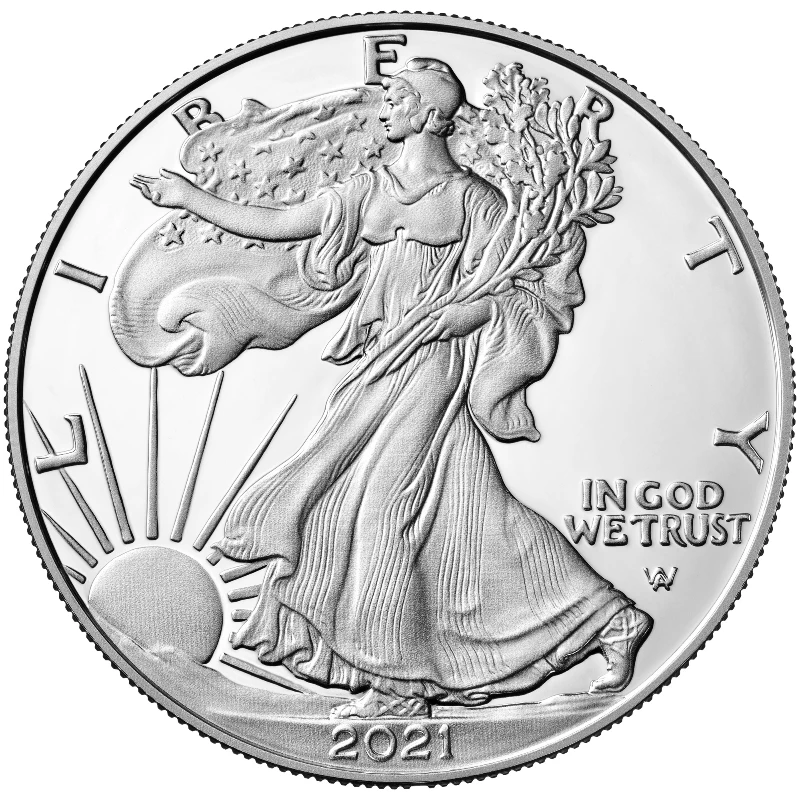
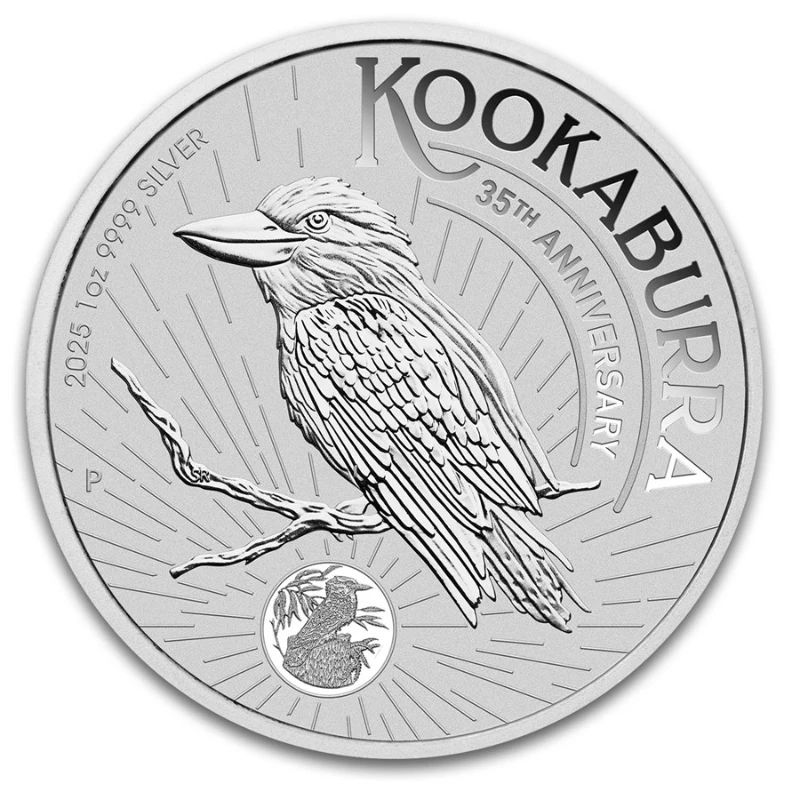
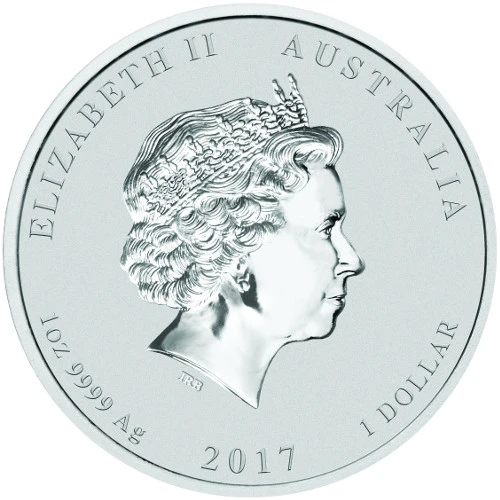
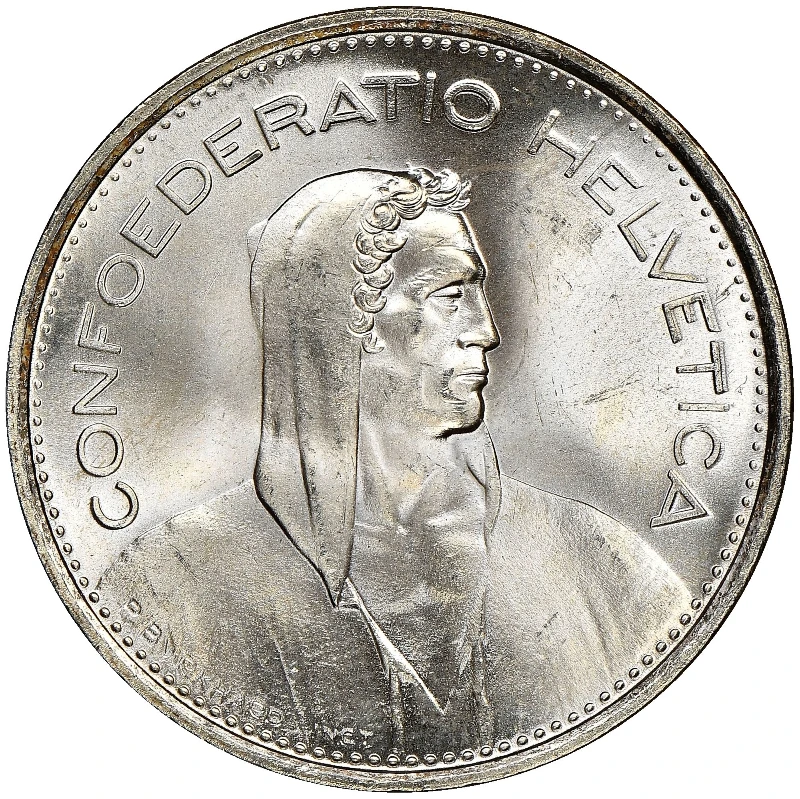
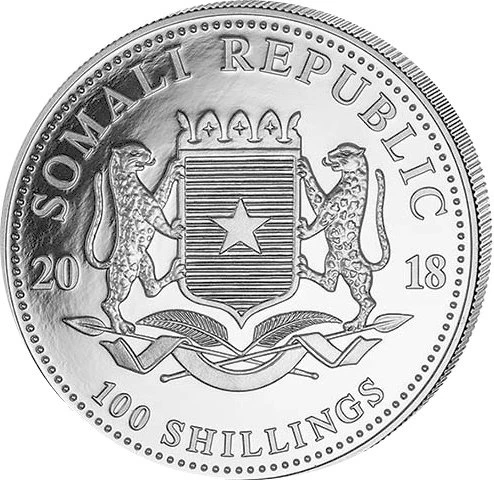
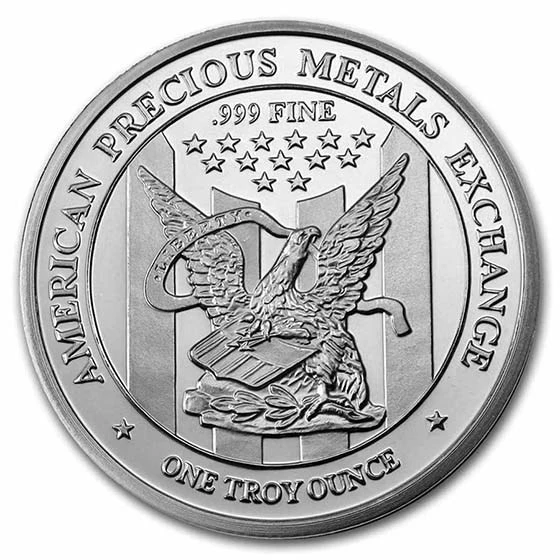
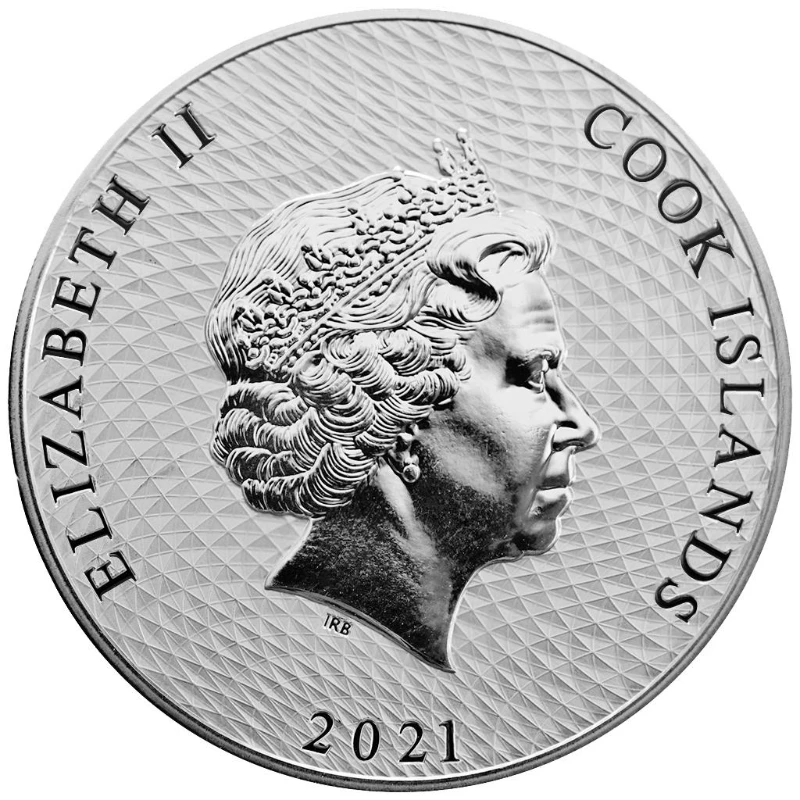
Pingcoin can authenticate these popular silver bullion coins. Click any coin to learn more about its specifications and authentication tips.


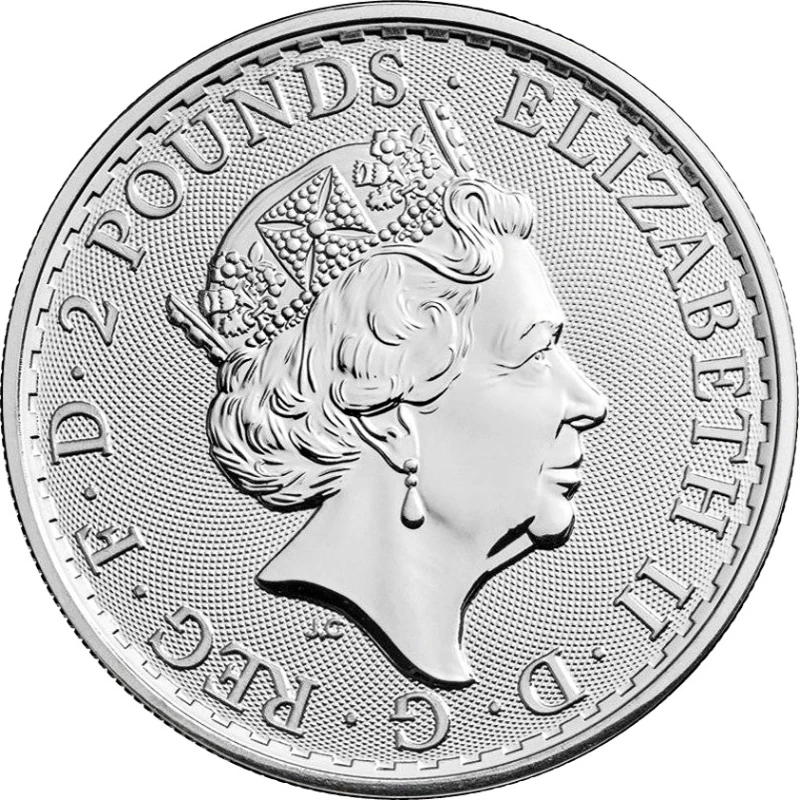
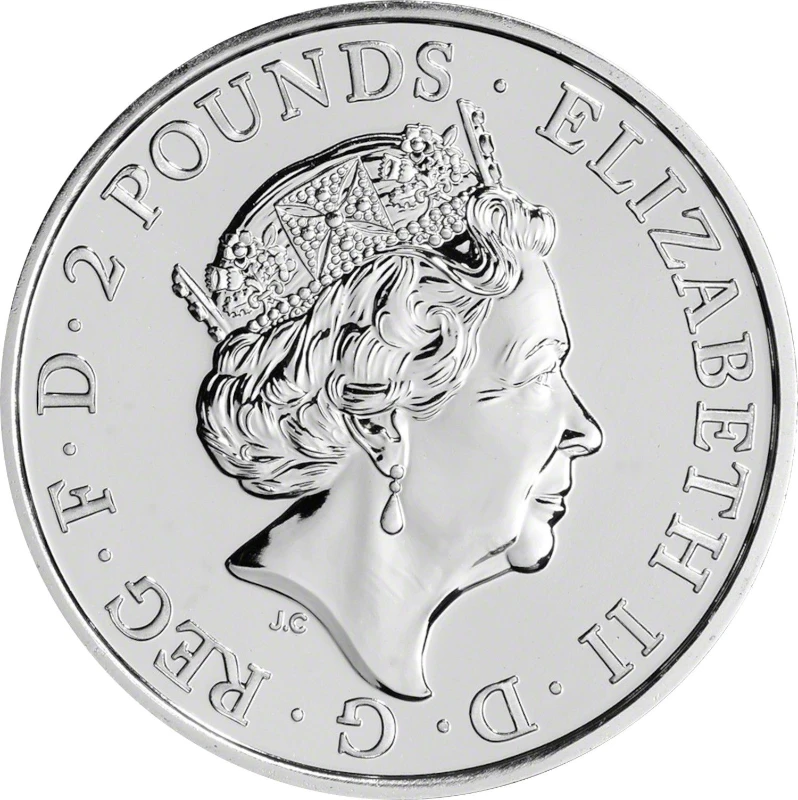
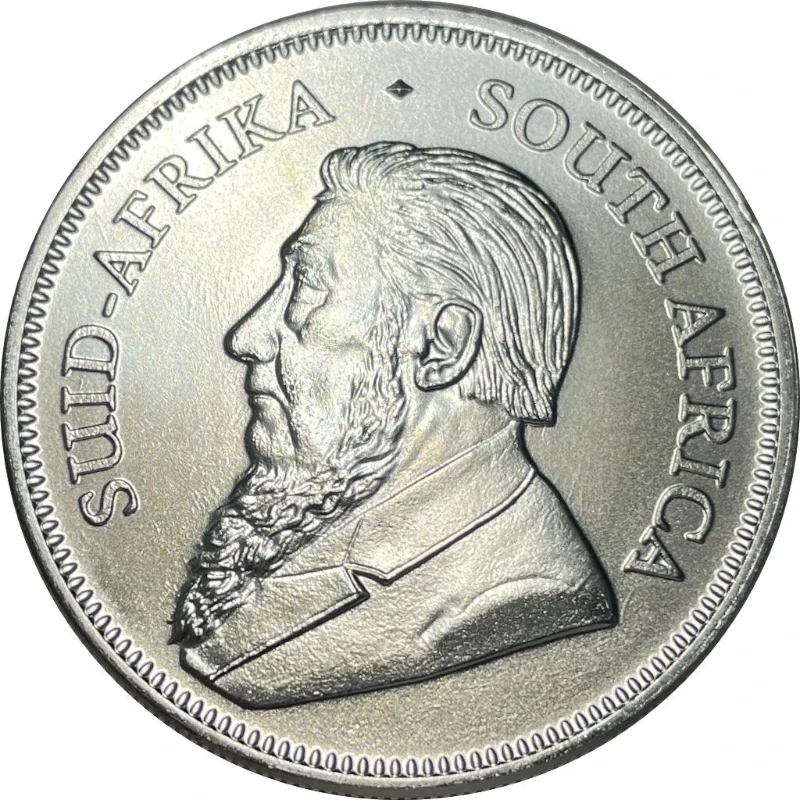
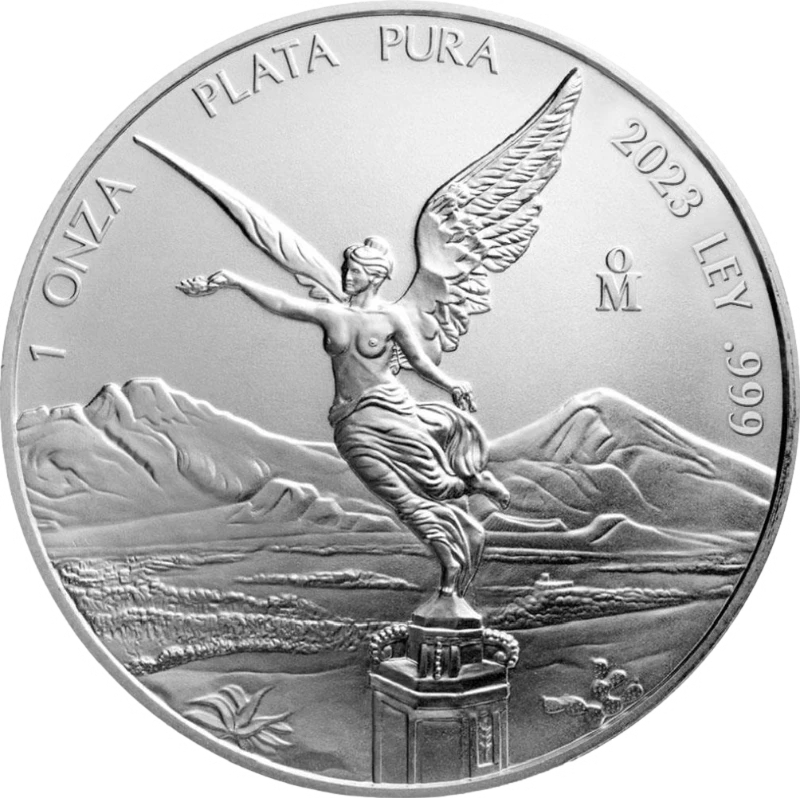
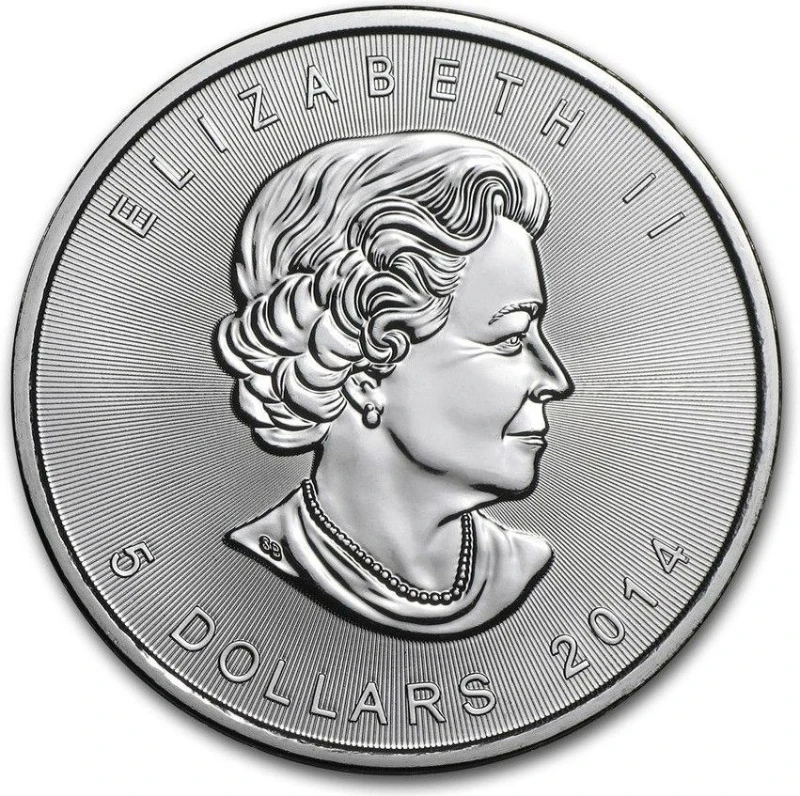

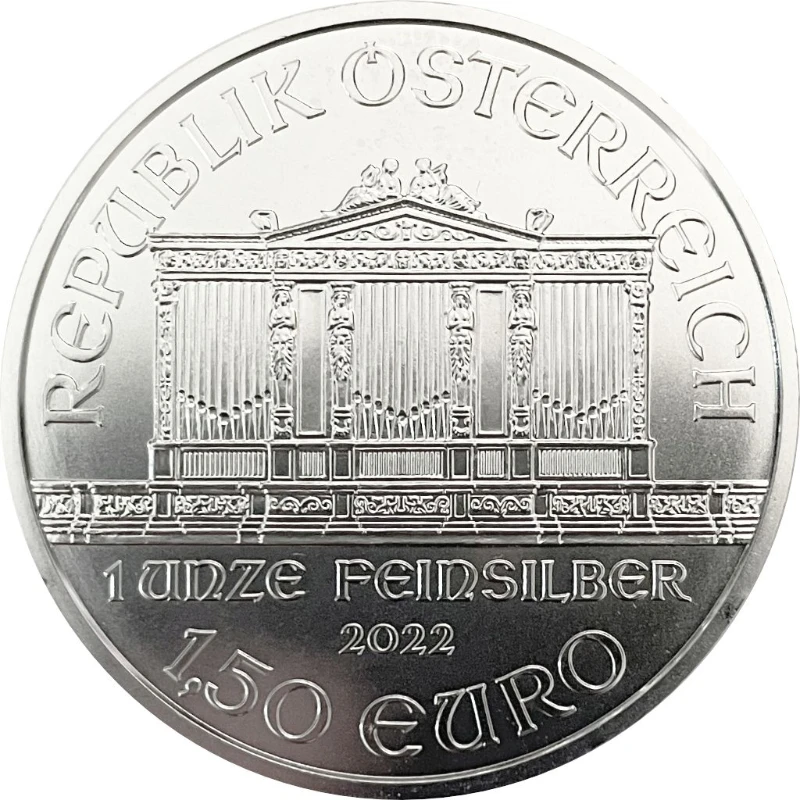
Silver Britannia specifications by year
Britannia purity and diameter changed in 2013. Check your coin’s date before comparing measurements. View the 1997–2026 Silver Britannia composition and dimensions table with official sources.
Complementary Testing Methods for Silver Coins
The ping test is powerful, but combining multiple authentication methods provides the highest confidence
1. Weight and Dimensions
Use a precision scale (accurate to 0.01g) to weigh your coin and digital calipers to measure diameter and thickness. Compare against published specifications. Even small deviations (±0.1g or ±0.1mm) can indicate a counterfeit.
2. Magnet Test
Silver is not magnetic. If a strong neodymium magnet attracts your coin, it's definitely fake. However, be aware that some counterfeits use non-magnetic metals, so passing the magnet test doesn't guarantee authenticity.
3. Visual Inspection
Examine the coin under magnification for:
- Sharp, well-defined details (counterfeits often have soft or blurry details)
- Correct font style and spacing on lettering
- Proper edge reeding (the grooves on the edge)
- Signs of casting (rough surfaces, seams) versus striking (smooth, uniform surfaces)
4. Specific Gravity Test
For advanced users, measuring specific gravity (density) can definitively identify silver. Pure silver has a specific gravity of 10.49 g/cm³. This test requires weighing the coin both in air and in water, then calculating density using Archimedes' principle.
5. Ice Test (Quick Field Test)
Silver has the highest thermal conductivity of all metals. Place an ice cube on a silver coin and watch it melt significantly faster than on other metals. While not definitive, it's a quick screening test.
🔒 Best Practice: Use the ping test as your first-line defense, then verify with weight/dimensions for suspicious coins. The combination of acoustic analysis + precise measurements catches virtually all counterfeits.
Frequently Asked Questions
Can I use the ping test on tarnished or dirty silver coins?
Yes! Surface tarnish, dirt, or patina does not affect the acoustic properties of silver. The ping test relies on the internal structure and composition of the metal, not its surface condition. Even heavily tarnished authentic silver coins will produce the characteristic clear ring. Clean the coin if you want, but it's not necessary for the test.
Does the ping test work on silver rounds or only coins?
The ping test works best on official government-minted bullion coins because they have standardized weights and dimensions. Silver rounds (privately minted) can vary in specifications, making acoustic analysis less reliable. Pingcoin is optimized for the 23 supported coins with verified reference values.
Will wear or damage affect the ping test results?
Minor wear from circulation won't significantly impact the ping test. However, coins with major damage (dents, holes, heavy corrosion that penetrates the metal) may produce altered acoustic signatures. For best results, test coins in good condition.
Can I test silver coins that are in protective capsules?
For most accurate results, remove the coin from its capsule. The capsule dampens vibrations and alters the acoustic signature. If you must keep the coin encapsulated (for grading purposes), results may be less reliable.
How accurate is the ping test compared to XRF or Sigma testing?
The ping test is highly effective for detecting common counterfeits (wrong metal composition or dimensions). XRF can identify elemental composition more precisely, while Sigma tests electrical conductivity. However, these devices cost $1,500-$30,000+. For most collectors, the ping test combined with weight/dimension checks provides excellent protection at a fraction of the cost.
What's the difference between .999 fine silver and .925 sterling silver in the ping test?
.999 fine silver (99.9% pure) and .925 sterling silver (92.5% pure, 7.5% copper) have slightly different acoustic properties due to their composition differences. Pingcoin's database accounts for these variations, with separate reference values for coins made from different silver purities.
Can the ping test detect tungsten-core counterfeits?
Yes. While tungsten has similar density to silver (making weight tests less effective), it has different acoustic properties. Tungsten-core fakes produce a noticeably different ping with shorter duration and different frequency characteristics that Pingcoin can detect.
How do I know if I'm tapping the coin correctly?
Practice on a coin you know is authentic. The tap should be gentle but firm, hitting the edge (not the face) of the coin. If you're not hearing a clear ring, try: (1) balancing the coin on your fingertip instead of cloth, (2) using a different tapping object, (3) tapping different positions around the edge, or (4) watching our video demonstration above.
Are there any silver coins that don't ping well?
Some vintage or worn coins, particularly those with different compositions (like 40% silver half dollars), may have less distinctive pings. The ping test is most reliable on modern bullion coins with consistent specifications like American Silver Eagles, Canadian Maple Leafs, and Austrian Philharmonics.
Is the ping test accepted proof of authenticity for resale?
While the ping test is widely respected among collectors and dealers, it's typically used as a screening tool rather than definitive proof. For high-value transactions or grading submissions, you may need additional verification through weight, dimensions, visual inspection, or professional testing services.
Start Authenticating Your Silver Coins Today
Download Pingcoin and get instant acoustic authentication for 23 silver coins.iPhone: 15 free tests/month, $49.99/year, $99.99 lifetime, or $4.99 pack of 25 tests. Android: 10 free tests/month, $28.99/year, or $4.99 day pass. Prices shown are US USD; local store pricing may vary and the App Store or Google Play listing is authoritative.
Works offline · No account required · Non-destructive testing
Works offline · No account required · Non-destructive testing