Gold Coin Ping Test
Protect your investment. Learn how to authenticate gold coins by sound—and detect tungsten fakes that fool other tests. Complete guide for American Gold Eagles, Krugerrands, and 16+ gold bullion coins.
iPhone: 15 free tests/month · Android: 10 free tests/month · Works offline
Why Gold Coin Authentication Matters
A single fake gold coin can cost you thousands
⚠️ Tungsten has nearly identical density to gold (19.3 vs 19.25 g/cm³). Weight tests alone cannot detect tungsten-core fakes. The ping test can—because tungsten sounds completely different.
What is the Gold Coin Ping Test?
The gold coin ping test is an acoustic authentication method that has been used by traders and collectors for centuries. When you tap a genuine gold coin, it produces a distinctive, sustained ring with specific frequency characteristics. Counterfeit coins—whether made from base metals, gold-plated tungsten, or alloys—produce different acoustic signatures that reveal their true nature.
Unlike silver, which produces a high-pitched bell-like tone, gold has a warmer, lower-pitched ring. This is due to gold's unique combination of high density (19.32 g/cm³) and relatively low elastic modulus. Gold is soft and heavy—properties that create its characteristic sound signature.
💡 Gold's softness is its acoustic fingerprint. Tungsten (density 19.25 g/cm³) can fool scales, but it's 4x harder than gold. This hardness difference creates a completely different sound—higher pitched and shorter duration.
Why the Ping Test is Critical for Gold
Gold counterfeiting has become increasingly sophisticated. The most dangerous fakes are tungsten-core coins with genuine gold plating. Here's why the ping test is particularly valuable:
- Weight Tests Fail: Tungsten's density (19.25 g/cm³) is within 0.4% of gold (19.32 g/cm³). Even precision scales can't reliably detect the difference.
- Visual Inspection Has Limits: Modern counterfeits use genuine gold plating, making surface inspection difficult without specialized equipment.
- XRF Only Tests Surface: X-ray fluorescence can confirm the plating is gold, but can't see the tungsten core beneath.
- Acoustic Properties Don't Lie: The ping test analyzes how the entire coin vibrates—core included. Tungsten's hardness (7.5 Mohs vs gold's 2.5) creates unmistakably different sound.
🔬 The Science: Gold has an elastic modulus of 79 GPa. Tungsten's is 411 GPa—over 5x higher. This massive difference in rigidity means tungsten produces higher frequencies and shorter sustain, regardless of density matching.
How Pingcoin Digitizes Gold Authentication
While trained ears can detect obvious fakes, Pingcoin provides scientific precision. The app uses Fast Fourier Transform (FFT) analysis to measure the exact resonance frequencies of your coin and compares them against our verified database of authentic gold coins.
Through Finite Element Method (FEM) modeling and analysis of thousands of genuine coins, we've mapped the precise acoustic signatures for each supported gold coin. The app measures three key frequencies and analyzes both the pitch and decay characteristics to determine authenticity.
You can look up the reference c0d2, c0d3 and c0d4 values for every supported coin in our coin ping test frequency table.
How to Perform a Gold Coin Ping Test
Follow these steps to test your gold coins at home
- Balance the Coin ProperlyPlace your gold coin on the tip of your finger—ideally your index finger. The coin should balance freely with minimal contact. This allows maximum vibration. Don't place it flat on a table.
- Choose Your Tapping ToolUse another coin, a pen, or a small metal rod. The tapper should be hard enough to produce a clear ring but small enough for precision. Many collectors use a second coin of the same type.
- Tap the Edge GentlyStrike the edge of the coin—not the face—with a light, quick tap. You want to excite the coin's natural resonance, not create impact noise. One gentle tap is sufficient.
- Listen for Gold's SignatureAuthentic gold produces a warm, sustained ring lasting 1-3 seconds. The pitch is lower than silver. Listen for: smooth decay, consistent tone, and that characteristic "golden" warmth.
- Compare to Reference (If Available)If you have a coin you know is genuine, tap it immediately after the test coin. Your ear can detect differences more easily in quick succession. This A/B comparison is powerful.
- Use Pingcoin for CertaintyFor scientific verification, open Pingcoin, select your coin type, and record the ping. The app compares your coin's acoustic frequencies against verified reference values and provides an instant verdict.

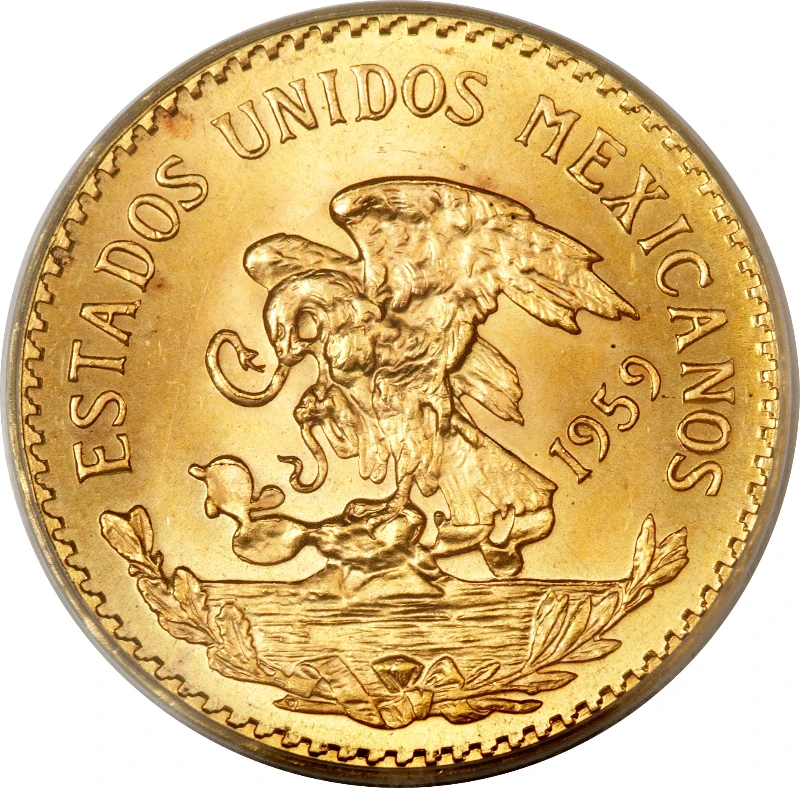
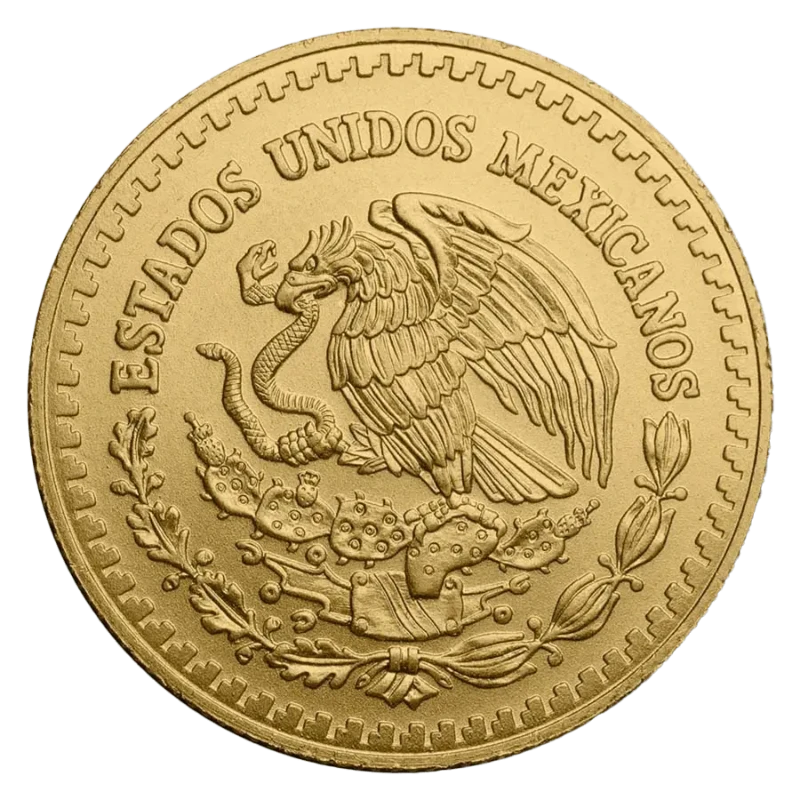
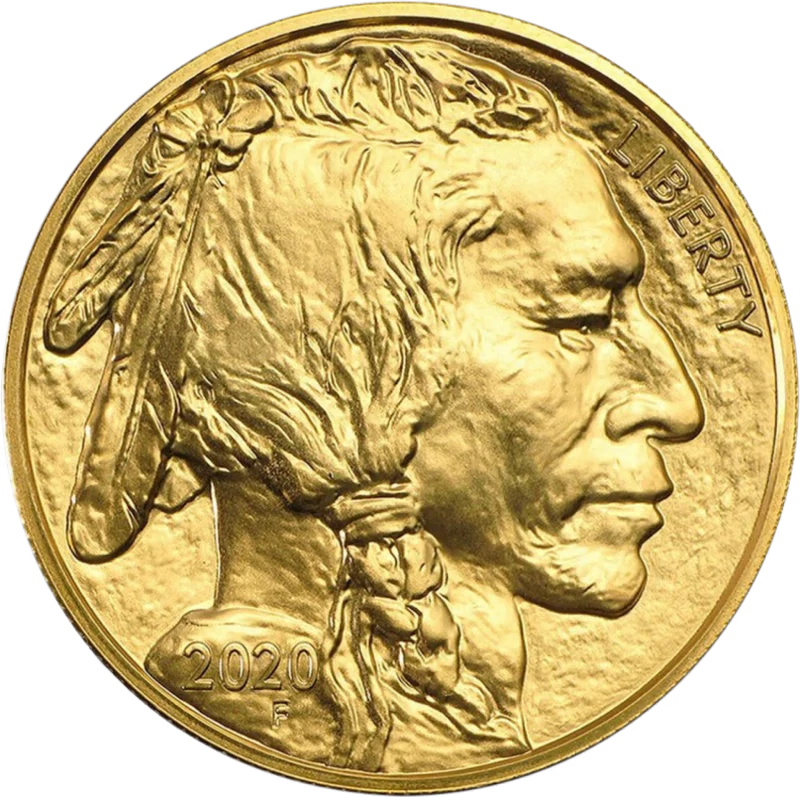
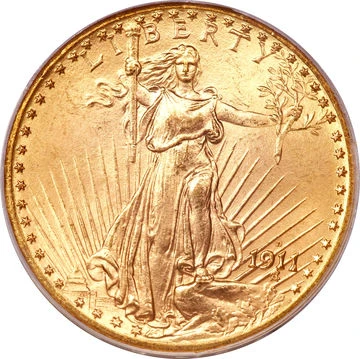
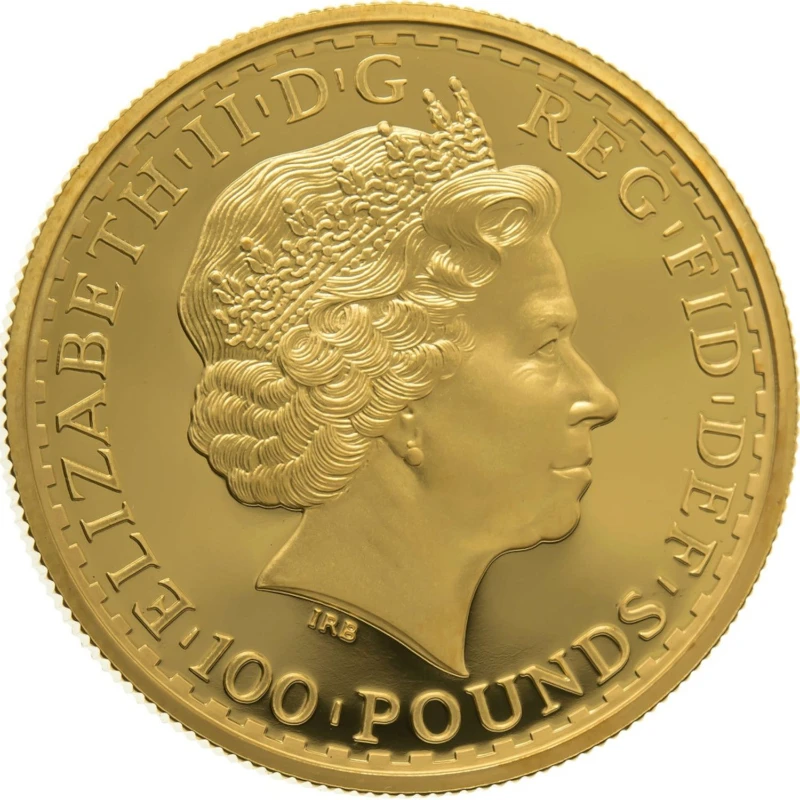
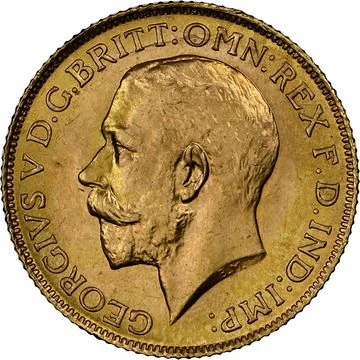
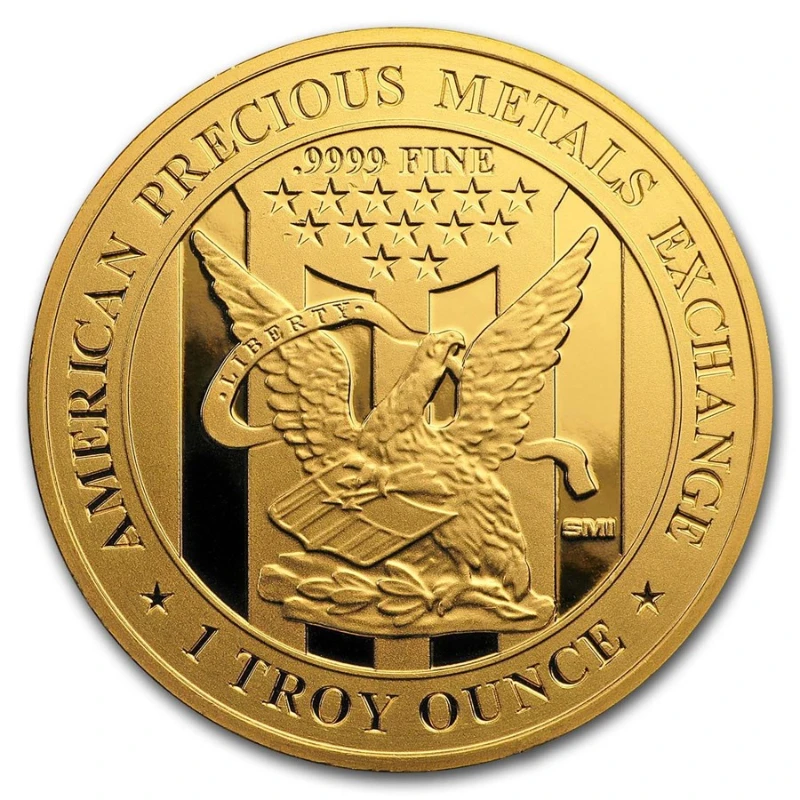
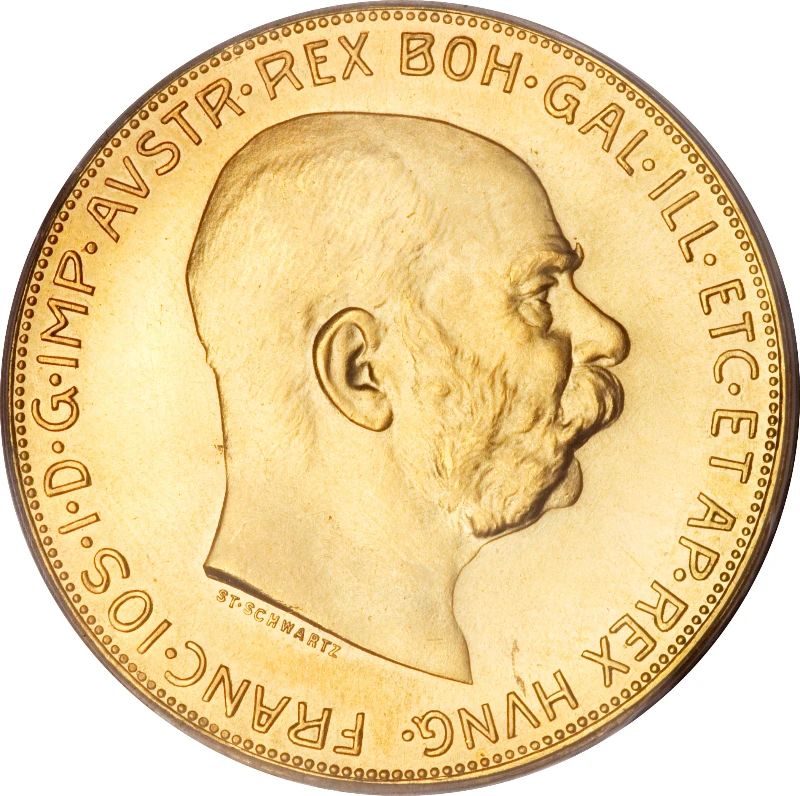
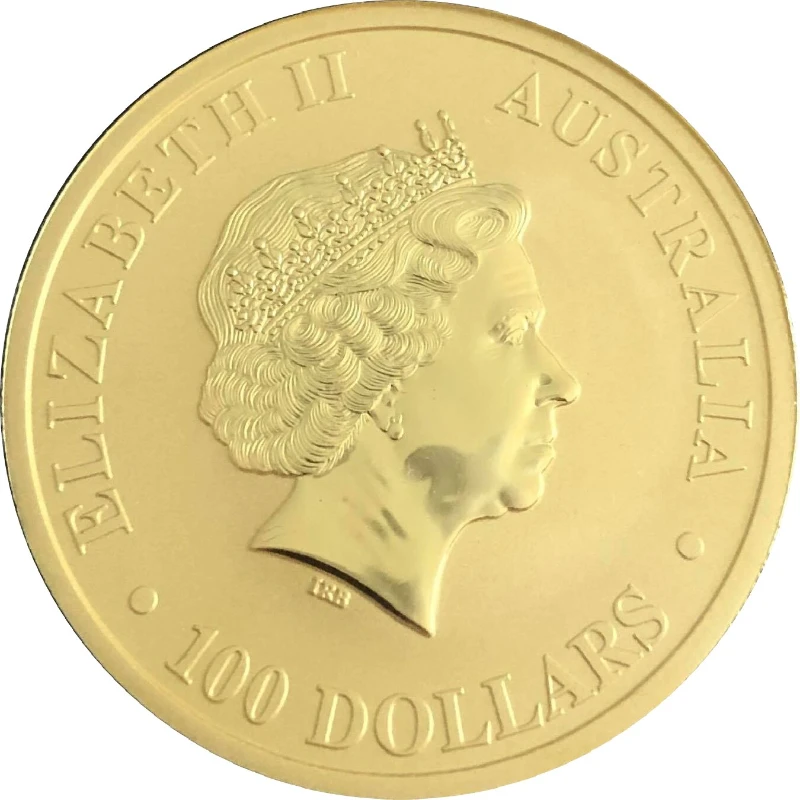
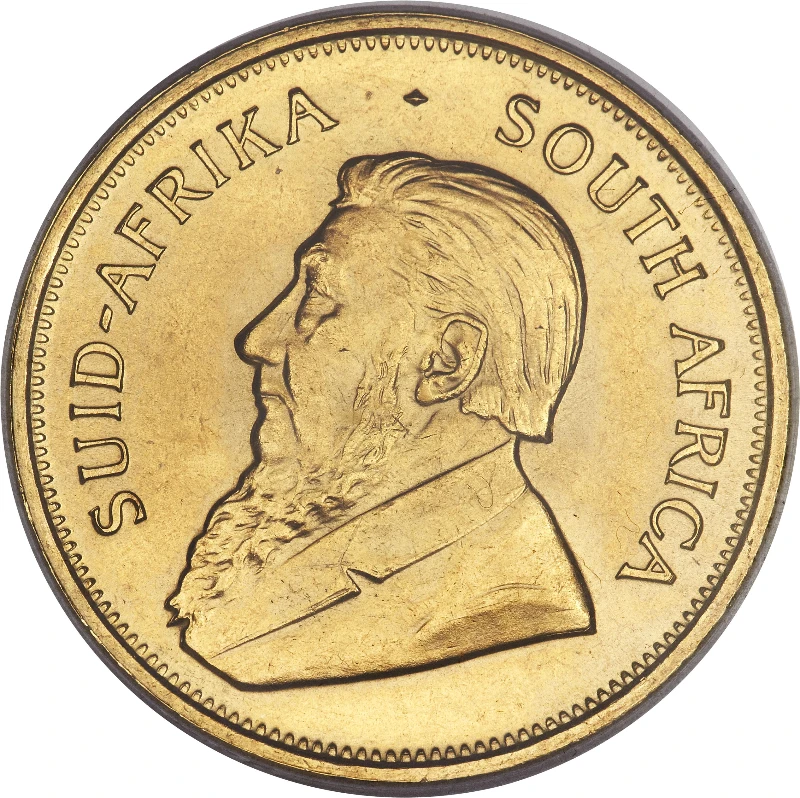
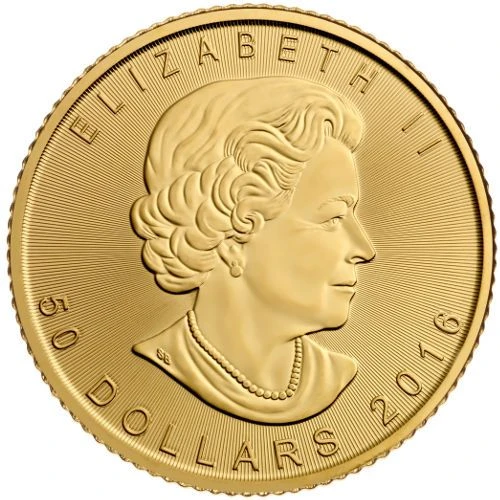
Supported Gold Coins (16 Coins)
Pingcoin can authenticate these popular gold bullion coins. Click any coin to learn more about its specifications.




Complementary Testing Methods for Gold
Maximum protection comes from combining multiple authentication methods
1. Weight and Dimensions
Use a precision scale (0.01g accuracy) and digital calipers. While tungsten-core fakes may match weight, they often have subtle dimensional differences. Measure diameter, thickness, and compare to official mint specifications. Even 0.1mm deviation is suspicious.
2. Magnet Slide Test
Gold is not magnetic, but it exhibits unique diamagnetic properties. When you slide a strong neodymium magnet across a gold coin at an angle, the magnet should slide slowly due to induced eddy currents. Tungsten doesn't exhibit this behavior as strongly—the magnet slides faster.
3. Visual Inspection
Examine under magnification for:
- Sharp, well-defined details (fakes often have soft features)
- Correct edge reeding count and uniformity
- Proper luster—gold has a distinctive warm glow
- Signs of seams or joins that indicate inserted cores
4. Specific Gravity Test
The most definitive home test involves weighing the coin in air and in water to calculate density. Gold: 19.32 g/cm³. This can detect many fakes, but tungsten (19.25 g/cm³) will still pass. That's why the ping test is essential.
5. Sigma Metalytics (Professional)
Sigma devices measure electrical conductivity and can differentiate gold from tungsten. However, at $1,500+, they're expensive for individual collectors. Pingcoin provides affordable acoustic checks, with platform-specific US pricing shown by each store.
🔒 Maximum Security: Ping test + weight + dimensions + magnet slide. This combination catches virtually all counterfeits, including sophisticated tungsten fakes. The ping test is your primary defense; other tests provide confirmation.
Know Your Enemy: Common Gold Counterfeits
Understanding how fakes are made helps you spot them
1. Tungsten Core with Gold Plating
The most dangerous counterfeit. A tungsten core is drilled and filled or constructed in layers, then plated with genuine gold. Passes weight tests. Fails the ping test because tungsten is 5x more rigid than gold.
2. Gold-Plated Copper/Brass
Cheaper fakes use gold-plated base metals. These are easier to detect because copper (8.96 g/cm³) and brass (8.4-8.7 g/cm³) are much lighter than gold. They also produce a distinctly higher-pitched ping.
3. Underkarated Gold
Some counterfeits use real gold but with lower purity than claimed. A coin sold as .9999 fine might actually be 18K (75% gold) or lower. These produce slightly different acoustic signatures due to the alloying metals.
4. Altered Date/Mint Coins
Genuine gold coins with altered dates or mintmarks to increase collector value. The ping test confirms the metal is authentic; detecting alterations requires visual inspection and provenance verification.
Frequently Asked Questions
How accurate is the ping test for detecting fake gold coins?
The ping test is highly accurate for detecting the most common counterfeits, including tungsten-core fakes. Tungsten's acoustic properties differ so significantly from gold's that even basic frequency analysis can detect them. Pingcoin's digital analysis provides scientific-grade verification with reference data from thousands of authentic coins.
Why does gold sound different from tungsten?
Sound is determined by a material's elastic modulus (stiffness) and density. While gold and tungsten have nearly identical density, tungsten is over 5x stiffer. This means tungsten vibrates at higher frequencies and with shorter sustain. Gold's characteristic warm, sustained ring is impossible to replicate without using actual gold.
Can I test gold coins in protective capsules?
For accurate results, remove coins from capsules or holders. The plastic dampens vibrations and alters the acoustic signature. If your coin is in a graded holder (PCGS, NGC), you may need to rely on the grading service's authentication—or have it removed for testing.
Do fractional gold coins work with the ping test?
Yes, but smaller coins produce shorter, higher-pitched rings with less sustain. Pingcoin's database includes fractional sizes (1/2 oz, 1/4 oz, 1/10 oz) with calibrated reference values. The technique is the same—tap the edge and analyze the sound.
What if my coin doesn't pass the ping test?
A "Not Recognized" result doesn't necessarily mean your coin is fake. Environmental noise, improper technique, or damaged coins can affect results. Try again in a quieter environment, ensure the coin is balanced on your fingertip, and tap more gently. If results remain inconsistent, consider professional authentication.
Does wear affect gold coin ping test results?
Minor circulation wear doesn't significantly impact the test. However, coins with major damage (dents, bends, deep scratches) may produce altered acoustic signatures. For heavily worn coins, combine the ping test with weight and dimensional measurements.
How does Pingcoin compare to Sigma Metalytics?
Sigma devices ($1,500+) test electrical conductivity, while Pingcoin tests acoustic properties with platform-specific App Store and Google Play pricing. Both can detect tungsten fakes. Sigma is faster for high-volume testing; Pingcoin is far more affordable and works anywhere with your phone. Many dealers use both for maximum confidence.
Can the ping test distinguish between 22K and 24K gold?
Different gold purities (22K American Eagles vs. 24K Maple Leafs) have slightly different acoustic signatures. Pingcoin's database accounts for these variations—each coin type has its own verified reference values based on its specific composition and dimensions.
Where should I buy gold coins to avoid counterfeits?
Buy from reputable dealers (APMEX, JM Bullion, SD Bullion, local coin shops with established reputations). Be extremely cautious with online marketplaces (eBay, Craigslist), coin shows from unknown sellers, and "deals too good to be true." Always test coins upon receipt.
Why does Pingcoin cost less than Sigma when Sigma costs $1,500?
Pingcoin uses your smartphone's microphone and our acoustic analysis algorithms—no specialized hardware required. This lets us offer professional-grade authentication at consumer prices. One fake gold coin costs $2,000+; Pingcoin pays for itself by catching a single counterfeit.
Protect Your Gold Investment Today
Download Pingcoin and get instant acoustic authentication for 16 gold coins. Detect tungsten fakes that fool other tests. iPhone: 15 free tests/month, $49.99/year, $99.99 lifetime, or $4.99 pack of 25 tests. Android: 10 free tests/month, $28.99/year, or $4.99 day pass. Prices shown are US USD; local store pricing may vary and the App Store or Google Play listing is authoritative.
Works offline · No account required · Non-destructive testing
Works offline · No account required · Detects tungsten fakes