Is Your Krugerrand Real?
In April 2021, U.S. Customs seized 119 fake Krugerrands in a single shipment. This guide covers authentication methods, specifications, and what to look for.
Why Krugerrands Are Targeted
Widely recognized, heavily traded — and counterfeited
🚨 CBP Rochester Seizure — April 2021
Detection method: "Low-quality metal which did not carry the weight of an authentic gold coin." These were base-metal fakes, not tungsten—the weight test caught them.
⚠️ The tungsten threat is real but rare. Expert Peter Zgorzynski, who tests ~35,000 coins annually, has documented only 7 tungsten Krugerrands. Most fakes are cheaper base-metal knockoffs—but the ping test catches both.
Official Krugerrand Specifications
Reference specifications for 1 oz Krugerrand
| Total Weight | 33.931g (1.0909 troy oz) |
|---|---|
| Gold Content | 31.103g (1 troy oz pure) |
| Diameter | 32.77 mm |
| Thickness | 2.84 mm |
| Fineness | .9167 (22 karat) |
| Composition | 91.67% Gold, 8.33% Copper |
| Edge | 160 serrations (reeded) |
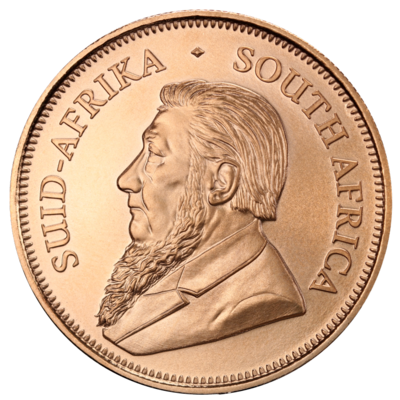
| Obverse | Paul Kruger portrait |
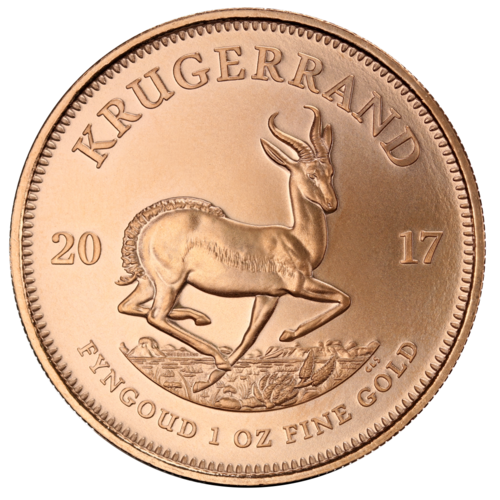
| Reverse | Springbok antelope |
💡 Why 22 karat? The copper content makes Krugerrands more durable than pure gold coins and gives them that distinctive orange-gold color. This color itself is an authentication feature— fakes often get it wrong.
🔊 Authentic Krugerrand Ping Frequencies
Frequencies measured from verified authentic Krugerrands using Finite Element Method analysis.
4 Types of Fake Krugerrands
Each has different tells—and requires different detection
Tungsten-Core Fakes High Danger
Real gold shell (0.5-1mm thick) wrapped around a machined tungsten core. Passes weight tests. Passes XRF surface scans. Documented but rare.
- Correct weight (tungsten ≈ gold density)
- May have visible seam on edge
- Fails ping test (dead thud, no sustain)
- Only 7 documented by expert testing 35K coins/year
Gold-Plated Base Metal Medium
Thin gold layer over brass, copper, or zinc core. The most common fake type. Usually wrong weight, sometimes magnetic if steel core.
- Wrong weight (typically too light)
- Wrong color (too brassy or too yellow)
- Plating may show wear spots
- Caught by CBP Rochester seizure (119 coins)
Cast Replicas Low
Made by pouring metal into molds. Grainy surface, soft details, often wrong weight. Easy to spot with visual inspection.
- Mushy beard detail on Paul Kruger
- Flat Springbok lacking muscle definition
- Orange peel or pitted surface texture
- Casting bubbles or seams
Struck Counterfeits Medium
Machine-produced fakes with better detail than cast replicas. May pass casual inspection but usually fail on weight or dimensions.
- Better detail but still slightly off
- Wrong weight or thickness
- Edge reeding inconsistent
- Wrong color or luster
The 8-Point Krugerrand Authentication Protocol
Visual and acoustic first, then physical measurements
- Visual Inspection — Color & LusterLook for the distinctive orange-gold color of 22K gold. Pure yellow (24K) or brassy tones are red flags. Genuine Krugerrands have a consistent warm hue across the entire surface.
- Visual Inspection — Design DetailsPaul Kruger's beard should show individual hair strands. The Springbok should have visible muscle definition and sharp horn ridges. Soft or mushy details indicate casting or poor striking.
- The Ping Test — CRITICAL for TungstenBalance on fingertip and tap gently. Genuine 22K gold produces a clear, sustained ring lasting 1-2+ seconds with a warm, musical tone. Tungsten produces a dead "thud" with no sustain.This is the only simple test that catches tungsten-core fakes.
- Weight Check1 oz Krugerrand: 33.931g ± 0.05g. Wrong weight instantly flags cheap fakes. Note: Correct weight does NOT guarantee authenticity—tungsten matches gold's density.
- Diameter & ThicknessDiameter: 32.77mm ± 0.1mm. Thickness: 2.84mm ± 0.1mm. Tungsten fakes are sometimes slightly thicker to hide the core construction.
- Magnet TestHold a strong neodymium magnet close. Gold is non-magnetic. Any attraction = fake. Note: Tungsten is also non-magnetic, so this only catches steel-core fakes.
- Edge Examination — The Seam TestGenuine Krugerrands have 160 evenly spaced serrations. Look carefully for any visible seam line— this indicates a tungsten core wrapped in gold sheet. Use magnification if possible.
- Source & ProvenanceWhere did it come from? Major dealers (APMEX, JM Bullion, SD Bullion) are safe. eBay, estate sales, and "too good to be true" deals require extra scrutiny.
Quick Authentication Checklist
Run through this for any Krugerrand purchase
🚩 Instant rejection: Weight off by >0.1g • Magnetic attraction • Visible edge seam • Dull thud on ping test • Price at or below spot
Which Tests Catch Which Fakes?
Not all tests are created equal—especially against tungsten
| Test | Base Metal | Tungsten Core | Cast Fakes | Cost |
|---|---|---|---|---|
| Weight | ✓ Catches | ✗ Passes | ⚠️ Varies | $15-25 |
| Dimensions | ✓ Usually | ⚠️ Sometimes | ✓ Catches | $10-20 |
| Magnet | ⚠️ Steel only | ✗ Passes | ⚠️ Varies | $5-10 |
| Visual | ✓ Usually | ⚠️ May pass | ✓ Catches | Free |
| XRF Scanner | ✓ Catches | ✗ Surface only | ✓ Catches | $5,000+ |
| Ping Test | ✓ Catches | ✓ Catches | ✓ Catches | Free/App |
| Sigma | ✓ Catches | ✓ Catches | ✓ Catches | $1,500+ |
💡 Key insight: Visual inspection + ping test + weight/dimensions catches virtually all fakes, including tungsten-core. A Sigma verifier costs $1,500+; the ping test is free.
Frequently Asked Questions
Common questions about Krugerrand authentication
How common are tungsten-core Krugerrands really?
Rare. Peter Zgorzynski, who tests approximately 35,000 coins per year for CoinsWeekly, has documented only 7 tungsten-core Krugerrands. He describes them as "interesting cases rather than any kind of threat." The greater danger is cheap base-metal fakes—which are far more common but easier to detect.
Why does my Krugerrand look orange instead of yellow like other gold?
That's normal! Krugerrands are 22-karat gold (91.67% gold, 8.33% copper). The copper content adds durability and creates the distinctive orange-gold color. Pure 24K coins like Maple Leafs or Philharmonics appear more yellow. The orange hue is actually an authentication feature— fakes often get the color wrong.
My Krugerrand passed the weight test. Is it definitely real?
No. Tungsten has nearly identical density to gold (19.25 vs 19.3 g/cm³), so properly made tungsten-core fakes pass weight tests perfectly. Weight testing catches cheap base-metal fakes but misses sophisticated tungsten. The ping test is essential because gold and tungsten have fundamentally different acoustic properties—this cannot be faked.
What does a fake Krugerrand ping sound like?
Tungsten-core fakes produce a dull "thud" or "thwack" with no sustain—the sound dies immediately. Genuine gold Krugerrands produce a clear, bell-like ring that sustains for 1-2+ seconds with a warm, musical tone. Even ChinaTungsten, which sells tungsten blanks, admits their products have a "dead ring."
Where should I buy Krugerrands safely?
Major dealers (APMEX, JM Bullion, SD Bullion, Provident Metals) are safest. PCGS/NGC certified coins in verified holders provide extra assurance. Avoid eBay sellers (especially overseas), estate sales without provenance, flea markets, and any price at or below spot. Genuine Krugerrands always carry 3-6%+ premiums.
Can Pingcoin detect fake Krugerrands?
Yes. Pingcoin supports Krugerrand authentication and can analyze the acoustic signature to identify fakes—including tungsten-core counterfeits that fool weight tests. The app compares your coin's frequencies against verified authentic specimens using Finite Element Method analysis.
Try Pingcoin
Acoustic analysis for 37 gold and silver coins. Free to try.